NUTS’ Conclusion to the 2025 Catalogue
Zara reviews NUTS’ eerie final show of the 2025 season: Haunt
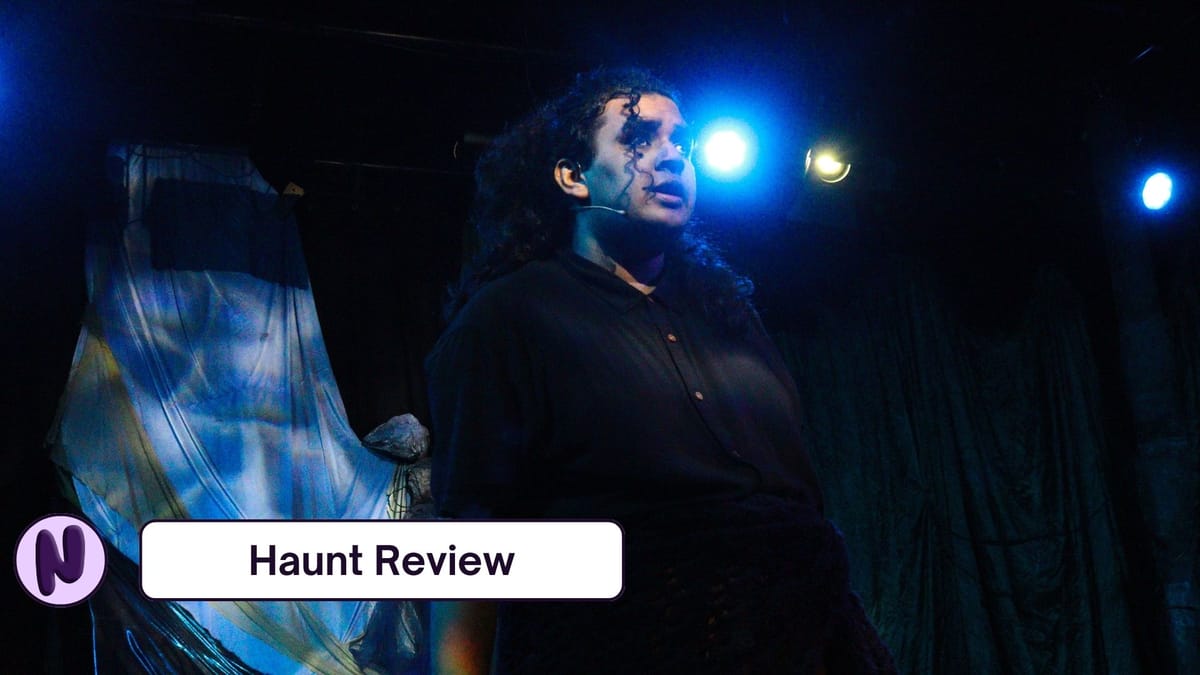
With summer in sight and the last exam period of the year drawing to a close, the 9th of December saw the debut of the New South Wales University Theatrical Society’s (NUTS) final show for the 2025 program. It was pleasantly lively for a Tuesday night in Week 13, with the foyer of the Esme Timbery Creative Practice Lab buzzing with a quiet anticipation. I entered Studio One that evening with very little knowledge of the play’s content.
Haunt is not easily described, but it centres around experiences of time and place, with a creek acting as a site for the dissolution of the binary between care and obsession and, more importantly, life and death. Haunt’s conception, development, and process was led by student Divya Nandyal (with conceptual influence from Anastasia Dougenis), which makes for an intriguing entry point for audience members. I believe that student-developed theatre is incredibly valuable for capturing the essence of young people’s interests and beliefs, in addition to acting as a community-building opportunity and a conduit for creative outlet and growth. Haunt is an example of this; Nandyal’s creative and directorial efforts to pursue a thoughtful and ephemeral experience through narrative made for an interesting production to watch. Most commendably, Nandyal’s scripting of these characters' relationships, as unhealthy as they may be, creates a captivating plot to follow.
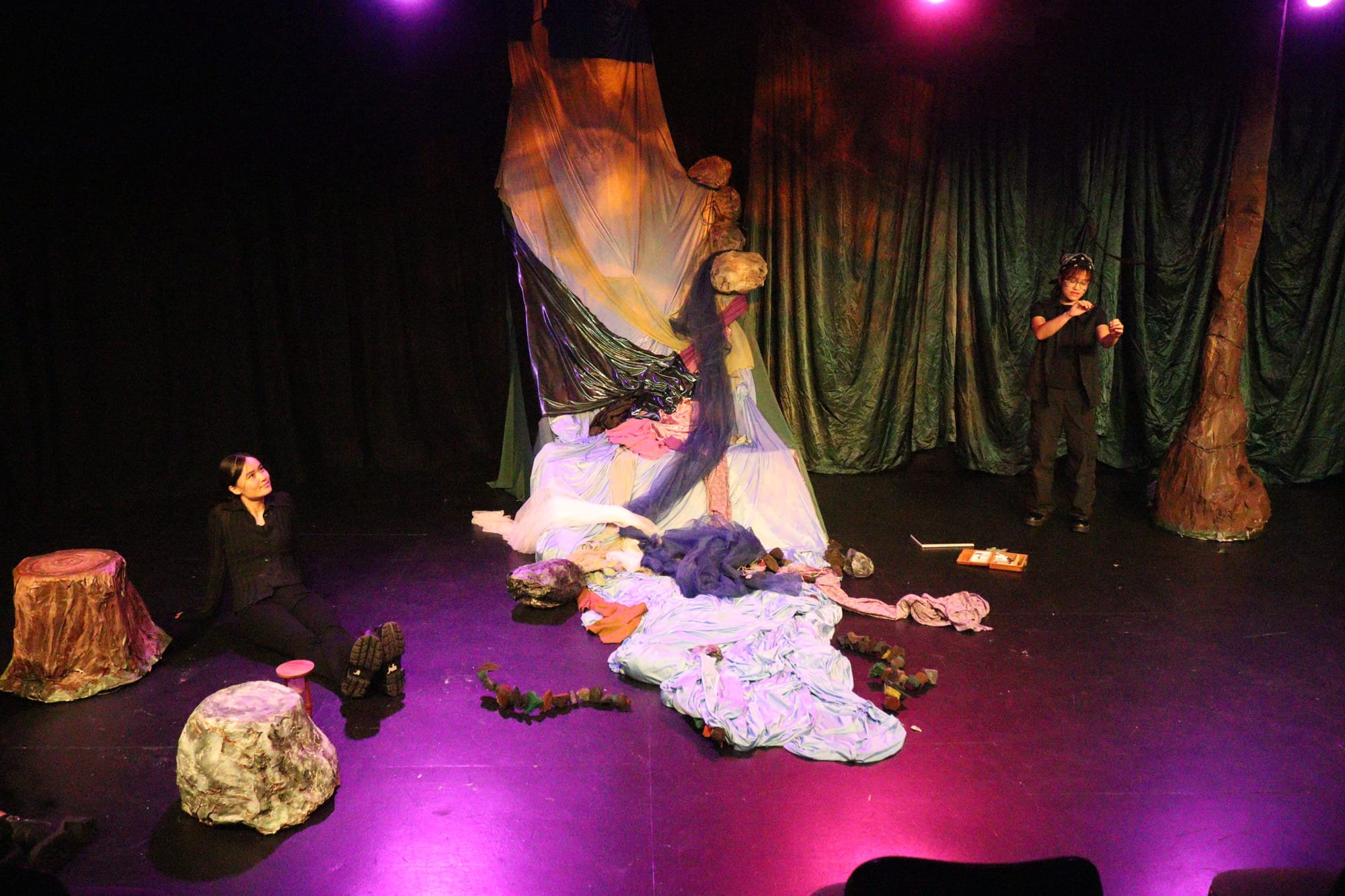
The most salient success of Haunt’s production was the impressive attention to detail in its design elements. The work on the set (Ivy-May Holme Bennet), lighting (Jasmine Wastell), sound (Samara Delgado), and prop design (Jess Maree) was commendable and played a major role in developing the atmosphere of the performance. The set was cohesive and texturally engaging, particularly with the creek represented as a collection of varied fabrics that actors would engage with throughout the play. However, this resulted in moments where some actors’ limbs became stuck in the fabric of the creek, which is inherently symbolic but impractical for the continuation of the performance. Most notably, the involvement of sound in the work was not exclusive to emulating the sounds of a clearing in the forest, but also involved creating a reverberation effect on some of the performers’ voices, which was innovative and enhanced the spirit of the work. The attention to detail in the elements of design was not only a testament to the themes of fluidity and liminality that the production is concerned with, but also a labour of love to the project itself.
The cast of Haunt made concerted efforts to portray their characters well, particularly within the confines of the magical realism genre. However, in considering the play’s concerns about the nature of dysfunctional relationships, the chemistry between the actors was at times lacklustre. Towards the denouement of the play, the relationship between Arani (Akriti Verma) and Hugo (Surya Negi) has dialogue that implies a closeness that was not translated onto the stage.
With this said, Verma struck an ideal balance between distinct characterisation and reflecting the codependency and anguish that drives her character in her relationship with Meenal Nandhini’s character, Ayla. In a similar sense, the representation of the dysfunctional dynamic between Ayla, Arani and Nina (Ella Morris) was strong in its representation of unhealthy dynamics, with Morris conveying intimidation and manipulation tactics disturbingly well. I was unsure as to whether this imbalance between actors was an issue of pacing within the script, a lack of rehearsal, opening night jitters, or an intentional choice, but I did find it disorienting.
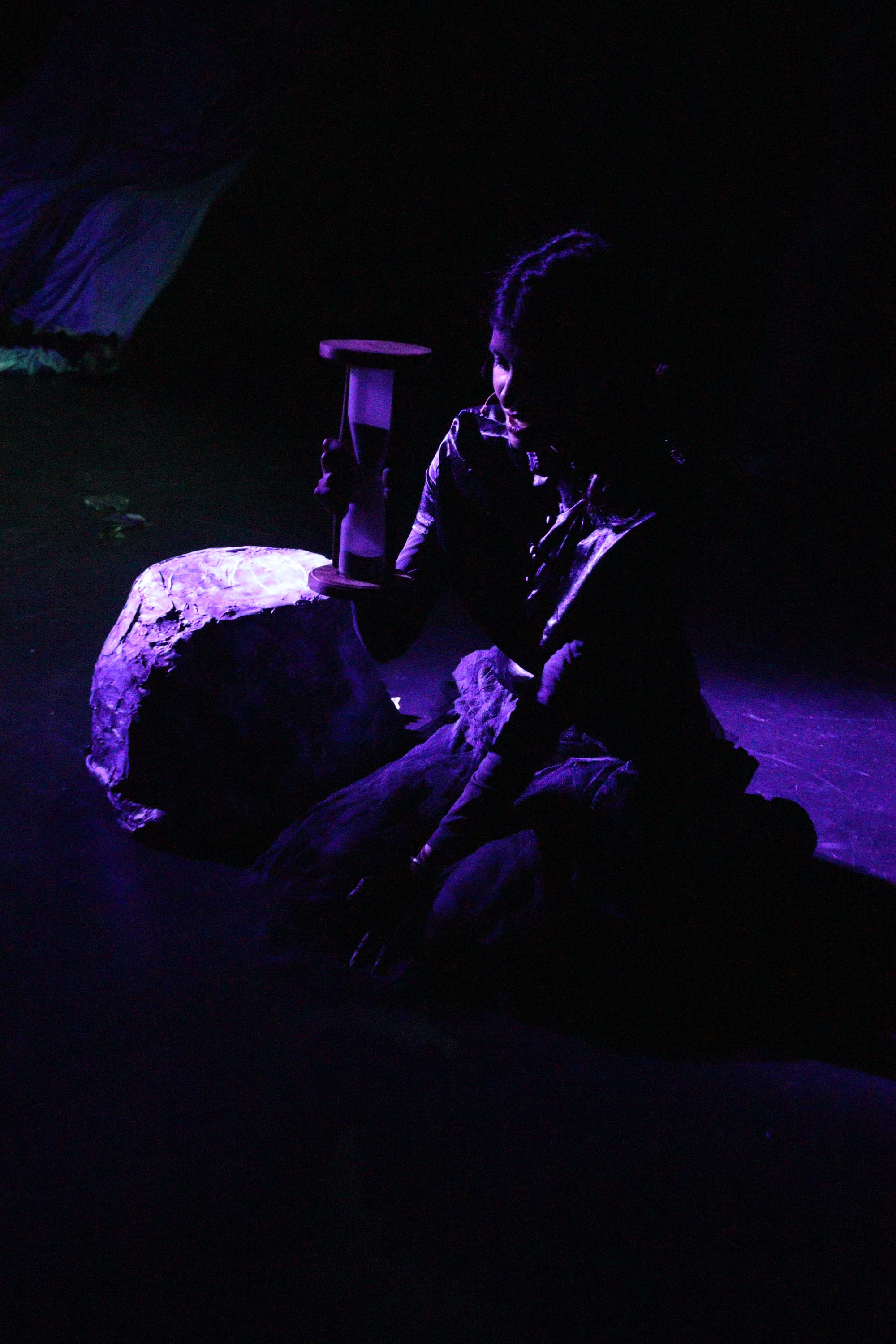
Amidst the darkness of this production, moments of laughter were had, particularly involving the ensemble (Felicity Ng and Dan Pham), who got a few audible giggles from me.
The way Haunt uses time and space as non-linear and liminal constructs created a beautiful approach to the homogeneity of relationships, with the ensemble effortlessly transitioning into varying characters to convey the humanness of our connections, regardless of the type. Whilst there were some observable shortcomings in the approaches to performance, there was an undeniable effort and eagerness to convey a complex narrative.
In spite of the mental notes I had for potential improvements, I left Studio One feeling moved. Supporting student-written, student-led and student-performed theatre is incredibly important for the development of creatives, and I would like to believe that this production has been an enriching experience for the cast and crew, and hopefully encourages them to work further on their craft. Whilst this play did leave the year on a poignant note, the talent and endeavours of the creatives involved undoubtedly invigorated my excitement for NUTS’ 2026 program.